From Traditional Asset Management to Asset Management AI: The Intelligent Evolution
February 28, 2026
Asset Management AI uses AI artificial intelligence and autonomous AI agents business models to monitor, optimize, and predict asset performance in real time. By integrating asset management AI with CRM and AI, HRM AI, AI ATS, and marketing automation artificial intelligence, organizations move from manual asset tracking to intelligent, data-driven decision-making that improves efficiency, reduces risk, and scales operations.
Traditional asset management systems were designed for record-keeping, audits, and basic lifecycle tracking. Today, that approach is no longer sufficient. Organizations manage digital assets, physical infrastructure, human capital, and customer data simultaneously. Asset Management AI represents a fundamental shift—using AI artificial intelligence and intelligent automation to predict performance, optimize utilization, and align assets with business goals in real time.
Asset Management AI is an advanced approach to managing physical, digital, and human assets using machine learning, predictive analytics, and autonomous AI agents.
Unlike traditional asset management tools, AI-driven systems continuously learn from usage data, operational patterns, and outcomes to improve decisions automatically.

Traditional asset management relies heavily on manual updates and historical reporting. Asset Management AI focuses on intelligence and foresight.
Asset complexity has increased across industries, driven by digital transformation and distributed operations.
Key reasons asset management AI adoption is accelerating:
Asset Management AI addresses these challenges with intelligence and automation.
Modern asset management AI platforms rely on multiple AI capabilities working together.
Machine learning analyzes asset usage, performance, and failure patterns to improve predictions over time.
Predictive analytics forecast maintenance needs, lifecycle costs, and utilization trends.
AI agents autonomously monitor assets, trigger alerts, and execute predefined actions.
AI platforms integrate asset data with AI ATS, AI agents HRMS, CRM and AI, and marketing automation artificial intelligence systems.
Innovation in asset management AI focuses on autonomy, integration, and decision intelligence.
Key trends shaping the industry:
These trends enable organizations to manage assets holistically.
Asset management AI delivers value across multiple business functions.
Practical use cases include:
Asset Management AI improves both efficiency and strategic decision-making.
Key benefits include:
Adopting asset management AI requires careful technical planning.
Common system-level risks:
Mitigating these risks ensures sustainable performance.

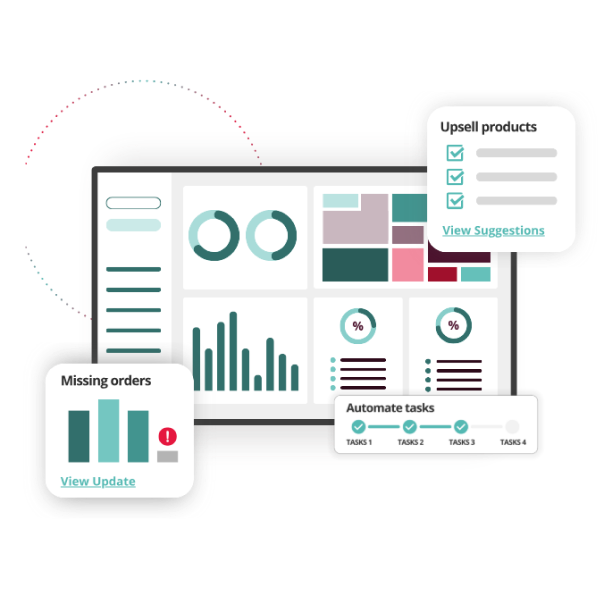
Successful organizations approach asset management AI strategically.
The transition from traditional asset management to Asset Management AI marks a strategic shift toward intelligence, automation, and predictive decision-making. By combining AI artificial intelligence, AI agents business, and cross-system integration, organizations gain real-time visibility and control over critical assets.
As asset management increasingly connects with HRM AI, AI ATS, CRM and AI, and marketing automation artificial intelligence, intelligent platforms will define operational excellence.
To modernize your asset strategy and unlock intelligent automation, contact kivo.ai today and discover how asset management AI can transform your operations.
Asset management AI uses AI artificial intelligence to predict asset performance, optimize utilization, and automate lifecycle management.
AI agents monitor asset data in real time, trigger alerts, and execute optimization actions autonomously.
Yes. Asset management AI integrates with HRM AI and AI agents HRMS to align tools, equipment, and workforce needs.
By integrating with CRM and AI platforms, asset data supports customer-facing operations and service quality.
Yes. Platforms like kivo.ai are designed to scale across complex, multi-asset enterprise environments securely.
.svg)


Sign up today for hints, tips and the latest product news


